Equipment
Energy-Efficient Pool Heating Options
Explore various heating solutions and learn how to extend your swimming season while saving on energy costs.
By Pool BaseDecember 5, 202213 min read
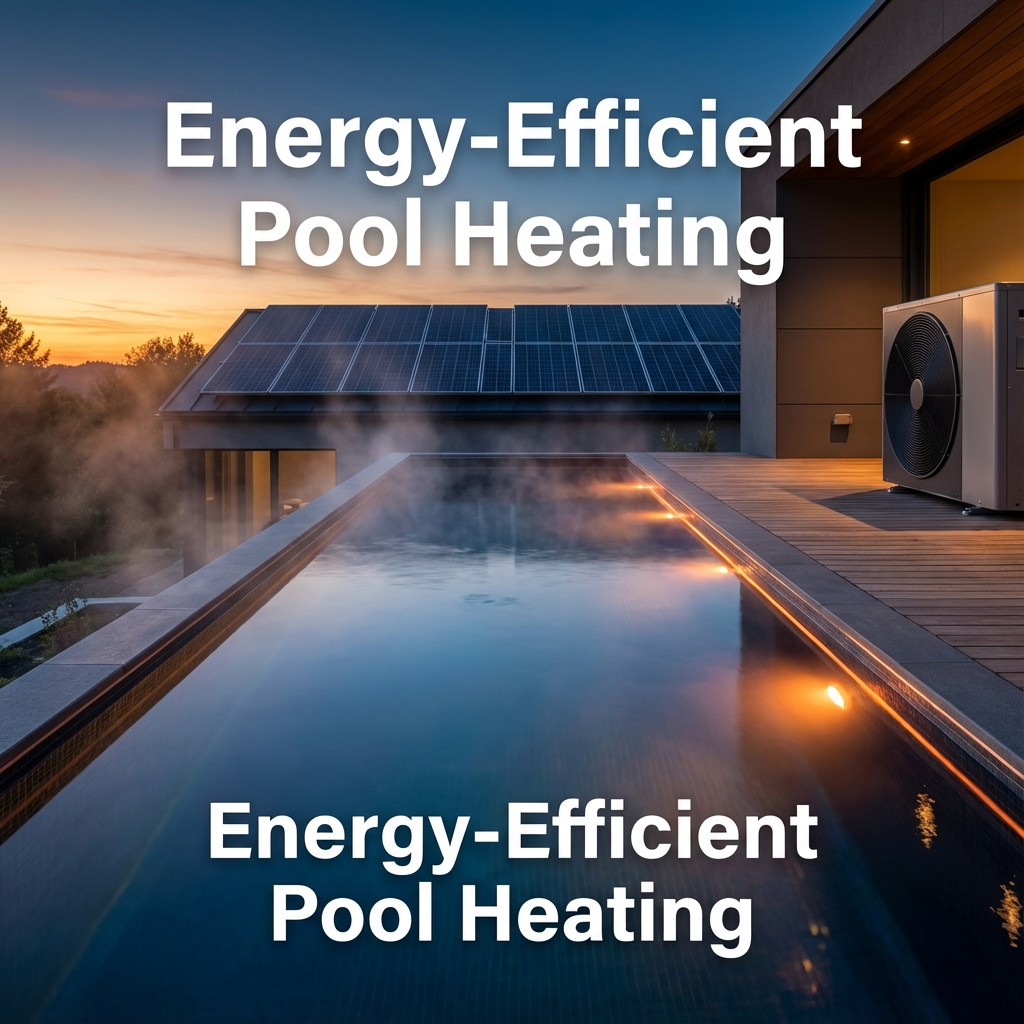
Extending your swimming season doesn't have to come with astronomical energy bills. Modern pool heating technologies offer efficient solutions that can warm your pool water while keeping operating costs reasonable. This guide explores various heating options, their efficiency, costs, and environmental impact to help you choose the best solution for your needs.
Understanding Pool Heat Loss
Before selecting a heating system, it's important to understand how pools lose heat:
- Evaporation: Accounts for approximately 70% of heat loss
- Radiation to air and surroundings: About 20% of heat loss
- Conduction through pool walls: Around 10% of heat loss
Addressing these heat loss factors can dramatically improve the efficiency of any heating system.
Pool Heating Options Compared
Solar Pool Heaters
How they work: Solar collectors capture heat from sunlight and transfer it to your pool water as it circulates through the system.
Efficiency factors:
- Initial cost: $3,000-$7,000 installed
- Operating cost: Minimal (pump electricity only)
- Heating capacity: 5-10°F above ambient temperature
- Lifespan: 15-20 years
- Environmental impact: Minimal carbon footprint
Best suited for:
- Sunny climates with at least 6 hours of direct sun daily
- Pools used primarily during day/evening hours
- Environmentally conscious pool owners
- Those willing to make upfront investment for long-term savings
Efficiency tips:
- Orient collectors for maximum sun exposure (typically south-facing)
- Size system appropriately (typically 50-100% of pool surface area)
- Use solar controller to optimize operation
- Combine with solar cover for maximum efficiency
Heat Pumps
How they work: Extract heat from the air and transfer it to the pool water using refrigeration technology, similar to an air conditioner in reverse.
Efficiency factors:
- Initial cost: $2,500-$5,500 installed
- Operating cost: $50-$150 monthly when running (depends on local electricity rates)
- Heating capacity: Can maintain temperatures up to 90°F in suitable conditions
- Lifespan: 10-15 years
- Environmental impact: Moderate (uses electricity but highly efficient)
Best suited for:
- Locations where air temperature stays above 55°F
- Extended season swimming (spring through fall)
- Areas with moderate electricity costs
- Pools that need consistent temperature maintenance
Efficiency tips:
- Install in a location with good airflow
- Use a pool cover to retain heat when not in use
- Consider variable-speed models for better efficiency
- Set realistic temperature goals (78-82°F is comfortable for most)
Gas Heaters (Natural Gas or Propane)
How they work: Burn fuel to generate heat that is transferred directly to the pool water as it passes through a heat exchanger.
Efficiency factors:
- Initial cost: $1,500-$3,500 installed
- Operating cost: $200-$500+ monthly when running
- Heating capacity: Can heat quickly regardless of outside temperature
- Lifespan: 5-10 years
- Environmental impact: Highest carbon footprint of all options
Best suited for:
- Pools used infrequently or on short notice
- Areas with very cool temperatures
- Spas that require rapid heating
- Backup heating for other systems
Efficiency tips:
- Choose high-efficiency models (look for 89%+ efficiency rating)
- Consider electronic ignition rather than standing pilot light
- Use a pool cover religiously when heating
- Heat only when necessary rather than maintaining temperature constantly
- Consider a smaller, dedicated heater for attached spas
Electric Resistance Heaters
How they work: Use electric elements (similar to an electric water heater) to directly heat the pool water.
Efficiency factors:
- Initial cost: $1,000-$2,000 installed
- Operating cost: Very high ($300-$600+ monthly)
- Heating capacity: Consistent in any weather conditions
- Lifespan: 5-10 years
- Environmental impact: High due to electricity consumption
Best suited for:
- Very small pools or spas
- Areas with exceptionally low electricity costs
- Backup or supplemental heating
- Applications where other options aren't feasible
Efficiency tips:
- Use only for small bodies of water (spas rather than pools)
- Combine with thorough insulation and covers
- Heat only when use is planned
- Consider alternative options if possible
Hybrid Systems
How they work: Combine two or more heating technologies to maximize efficiency under varying conditions.
Common combinations:
- Solar with gas backup
- Heat pump with solar assist
- Heat pump for pool, gas for spa
Efficiency factors:
- Initial cost: $5,000-$10,000+ installed
- Operating cost: Varies based on configuration
- Heating capacity: Excellent in all conditions
- Lifespan: Varies by components
- Environmental impact: Lower than gas alone, higher than solar alone
Best suited for:
- Year-round swimming needs
- Variable climate conditions
- Those wanting maximum control and efficiency
- Pools with attached spas having different temperature requirements
Heat Retention Strategies
Whatever heating system you choose, these heat retention strategies will dramatically improve efficiency:
Pool Covers
The single most effective way to reduce heating costs (50-70% savings):
- Solar blankets: Float on water surface, reduce evaporation and capture solar energy
- Liquid solar covers: Monomolecular film reduces evaporation
- Safety covers: Provide some insulation when pool not in use
- Automatic covers: Convenience increases likelihood of consistent use
Windbreaks
Wind increases evaporation and convective heat loss:
- Strategic landscaping (hedges, shrubs)
- Fencing with limited gaps
- Pool enclosures for maximum protection
Operational Efficiency
- Reduce pump speed when heating to allow more heat transfer
- Heat during warmest part of day when using heat pumps
- Lower temperature when pool not in use
- Consider thermal mass additions (e.g., dark pool bottom)
Cost Analysis Example
Here's a comparative example for heating a 15,000-gallon pool from 70°F to 80°F:
Solar Heater:
- Initial investment: $4,500
- Operating cost: $0 (excluding pump operation)
- Time to heat: 2-3 days (weather dependent)
- 10-year cost estimate: $4,500 + minimal maintenance
Heat Pump:
- Initial investment: $3,500
- Operating cost: ~$100 per heating cycle
- Time to heat: 24-48 hours
- 10-year cost estimate: $3,500 + $600-$1,500 annual operating cost
Gas Heater:
- Initial investment: $2,000
- Operating cost: ~$200-$300 per heating cycle
- Time to heat: 8-12 hours
- 10-year cost estimate: $2,000 + $1,500-$3,000 annual operating cost (if used regularly)
Environmental Considerations
For environmentally conscious pool owners:
- Solar heating has the lowest carbon footprint
- Heat pumps have approximately half the carbon footprint of gas heaters
- Energy-efficient pumps and motors reduce overall environmental impact
- Pool covers significantly reduce water evaporation and chemical use
Conclusion
When selecting an energy-efficient pool heating system, consider your climate, budget, swimming habits, and environmental concerns. For most pool owners, a combination of a good pool cover and either solar heating or a heat pump provides the best balance of efficiency and performance.
Remember that proper sizing and professional installation are crucial to the performance of any heating system. Consult with multiple contractors who specialize in pool heating to get the best advice for your specific situation. With the right heating solution and heat retention strategies, you can enjoy a comfortable swimming season while keeping energy costs under control.
- Pool Heaters
- Energy Efficiency
- Solar
- Heat Pumps